01
Urgency may be trying to control the moment
Pressure to answer now can keep you reactive. A pause gives you time to decide what you actually want to say.
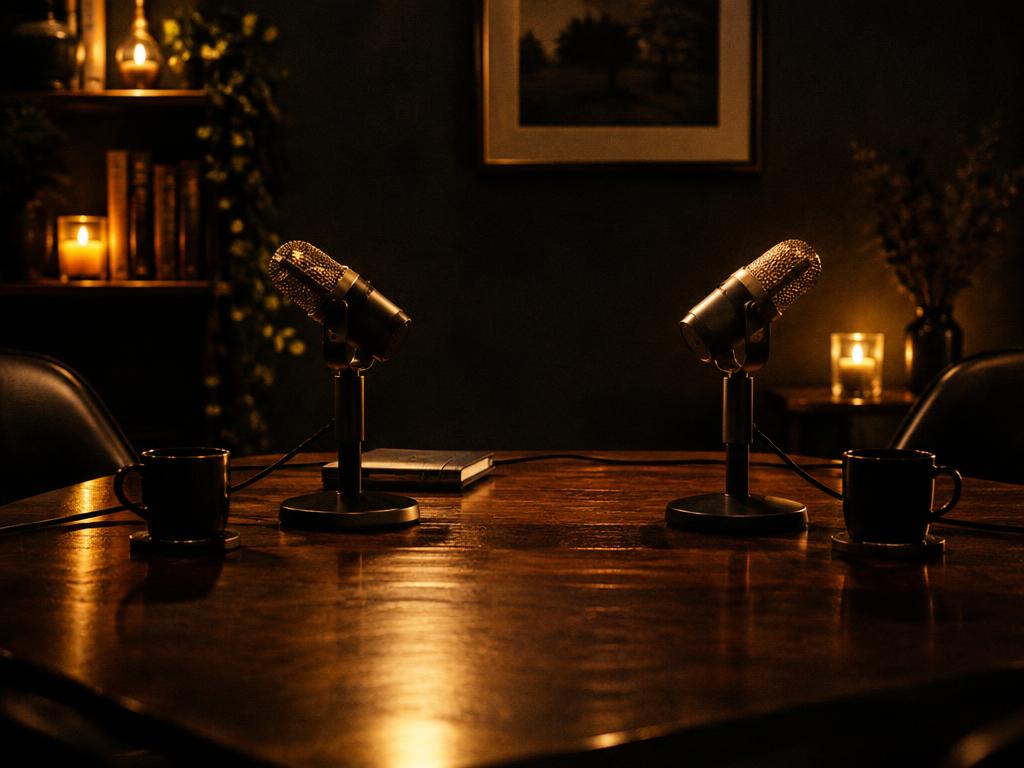
We're taught that speaking up is always the brave choice. That silence is what people do when they're afraid. But there are moments when silence isn't fear. It's discernment. It's knowing that some words, once spoken, cannot be taken back.
This conversation is about the two situations where staying quiet is not weakness, it's wisdom: when your words would only feed someone else's fire, and when the truth is better delivered by your actions than your voice.
It is also about the other side of it. The silence that comes from swallowing things for so long you forgot you were allowed to speak. Knowing the difference between the two might change how you handle every hard conversation you have left.
What this conversation sits with
If this one stayed with you, watch it in full, and then sit with the question it leaves behind.
A closer look
Not every question deserves an immediate answer. Not every accusation deserves a defense. There are moments when speaking only gives more oxygen to a conflict that was never looking for understanding. In those moments, silence can be a boundary. It can say: I will not let urgency decide who I become.
But silence changes meaning when it is chosen because the truth feels unsafe. If you keep swallowing what matters to preserve someone else's comfort, quiet can become another form of self-abandonment. The outside may look composed while the inside fills with resentment, fear, and words rehearsed in private.
The work is not to speak all the time or to remain silent perfectly. It is to notice what your silence is serving. Wise restraint protects your dignity and leaves you free to speak later. Fearful silence protects a fragile arrangement by asking your truth to disappear.
What may be happening underneath
01
Pressure to answer now can keep you reactive. A pause gives you time to decide what you actually want to say.
02
If your words are repeatedly twisted, dismissed, or used against you, another explanation may not create the understanding you want.
03
When silence leaves you feeling smaller rather than steadier, it may be protecting the relationship from a truth it needs to face.
Questions to sit with
You do not need to answer every question. Notice which one makes you pause, and begin there.
After you stay silent, do you feel grounded or diminished?
Are you pausing because the moment is wrong, or because you believe your truth is unwelcome?
What would you say if you did not have to manage the other person's response?
What boundary could hold the conversation without abandoning it?
A final thought
Your voice does not lose its truth because you choose the right moment to use it. The silence that protects you should eventually return you to yourself.
These reflections are for personal exploration. They are not a diagnosis or a substitute for professional support.
Watch / Listen
This episode lives on Instagram. It opens in a new tab. Nothing is collected here.
Follow Lyra Vael on Instagram and YouTube for every new conversation.